GRANTED
by Diane Elise Calloway
"A novel about desire, permission, and the private decisions that change everything."
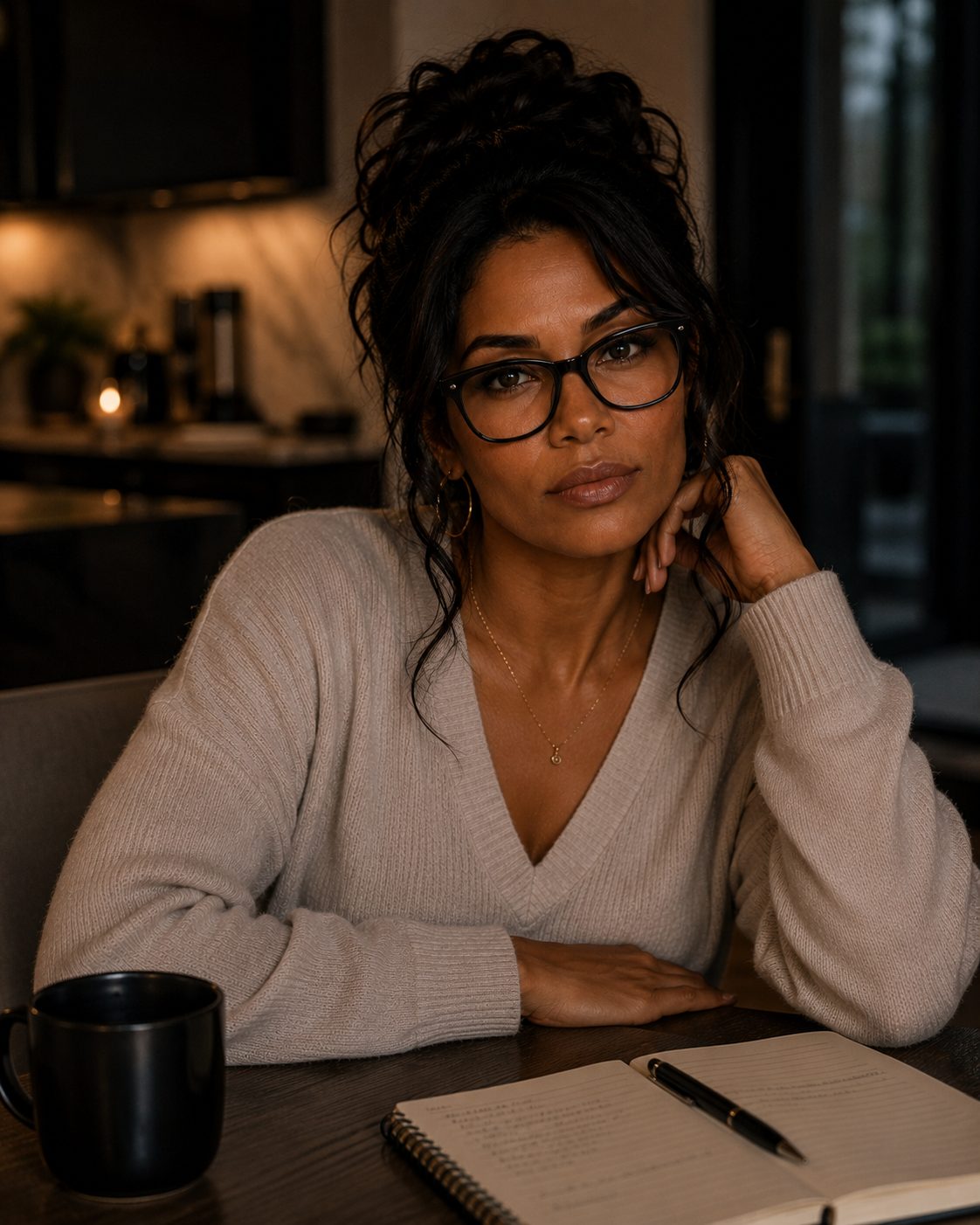
The woman
behind the confession.
"I write about the things people feel at 2am but never say out loud, the wanting, the permission, the cost of finally saying yes."
Diane Calloway writes emotionally intimate fiction about desire, identity, marriage, and the quiet moments that change people permanently. Her work lives in the space between literary fiction and psychological romance, where attraction is rarely simple, honesty comes with consequences, and love often arrives disguised as recognition.
Known for her cinematic prose and emotionally layered characters, Calloway explores the hidden architecture of modern relationships: longing, permission, restraint, vulnerability, and the complicated truths people carry beneath beautiful lives. GRANTED is her debut novel.

GRANTED
"Granted is not always yes. Sometimes granted is the mercy of no."
GRANTED
GRANTED is a literary novel about a married woman, the man who taught her to drive at sixteen, and what happens when the line between them moves without anyone's permission. Diane Calloway has built a marriage on a single rule, tell the truth, even when the truth is inconvenient. At 9:47 PM on a Tuesday in October, that rule is asked to hold more than it was ever designed to. Nothing physical ever happens. Everything happens. A novel about desire, marriage, the architecture of consent, and the cost of almost.
The Host
Not the lighting.
Not the music drifting through the speakers like it had nowhere better to be.
Not the marble island or the amber lamps or the view of Tampa burning gold beyond the windows.
Not the silk dresses. Not the men who understood what a tailored jacket said before you opened your mouth.
They noticed the basket.
Wicker. Plain. Sitting on the console table just inside the foyer like it had always been there.
Inside it: phones.
Watches sometimes. Keys. Once, a wedding ring.
But mostly phones.
People hesitated the first time. Every time. The phone was where they kept their real selves. Their evidence. Their escape route. Their ability to be somewhere else while pretending to be here.
The basket asked them to stop pretending.
That was the whole point.
Marcus called it presence. Said that was why our parties worked. Not the guest list. Not the rules. Not the seven years we spent building trust one honest conversation at a time.
Presence.
He was right. He was almost always right about the things that mattered.
Epilogue
Six months later, I saw an upside-down pineapple in a grocery store and laughed so hard I had to leave the produce section.
Not a cute laugh. Not a delicate little sound. A bent-over, one-hand-on-the-cart, mascara-threatening laugh that made a woman near the avocados look at me like I had received bad news from the bananas.
Marcus was with me. He stood there holding a bag of limes, watching me fall apart in front of tropical fruit.
"Was that a good laugh or a bad laugh?" he asked, when he found me with the cart and the limes.
Six months ago, I would have made a joke. Six months ago, I would have hidden behind charm. But six months ago, I thought almost did not count.
I knew better now.
"Both, " I said.
He nodded. "Okay."
That was one of the ways I knew we were still married. Not the ring. Not the house. Not the shared grocery list. The fact that he could hear both and not demand I pick the safer answer.
I used to think granted meant permission. A door unlocked. A husband saying yes. A woman saying finally.
I understand it differently now.
Granted is not always yes. Sometimes granted is the mercy of no. The right to want something and still refuse it. The right to close a door and grieve the person you were before you knew why it had to close.
Nothing physical ever happened.
Everything happened.
And finally, finally, I understood why.
Granted.
The world of
GRANTED.
The Basket
Wicker. Plain. Sitting on the console table like it had always been there. Inside it: phones. The basket asked them to stop pretending. That was the whole point.
9:47 PM
The doorbell rang and her entire nervous system stopped. Three full seconds. The party kept going behind her. None of it reached her.
The Quiet Room
Bookshelves to the ceiling. Amber lamps. The room she loved most. He chose it. He walked past every other room in the house and settled into the one that felt most like her.
The Doorway
Every important moment in this house happened at a threshold. Not crossed. Not refused. Held, the way two adults hold a line they both feel.
The Word
Granted. Permission and receipt at once. The way her husband said it when he meant, I see you. I hear you. You're allowed.
The Almost
Nothing physical ever happened. Everything happened. The most dangerous betrayal is not the one you commit. It is the one you nearly commit, together, in slow motion, while watching yourselves do it.